Skip to content

Why a stamp card pays

What studies of real cafés, salons, shops and car washes found, what big chains report about their members, and how Bentorno works the same way.

A barista greets a regular whose usual coffee is already on the counter

Regulars carry a local business

A small share of customers, coming back again and again, can bring in much of the trade. Three findings on what keeping them is worth.

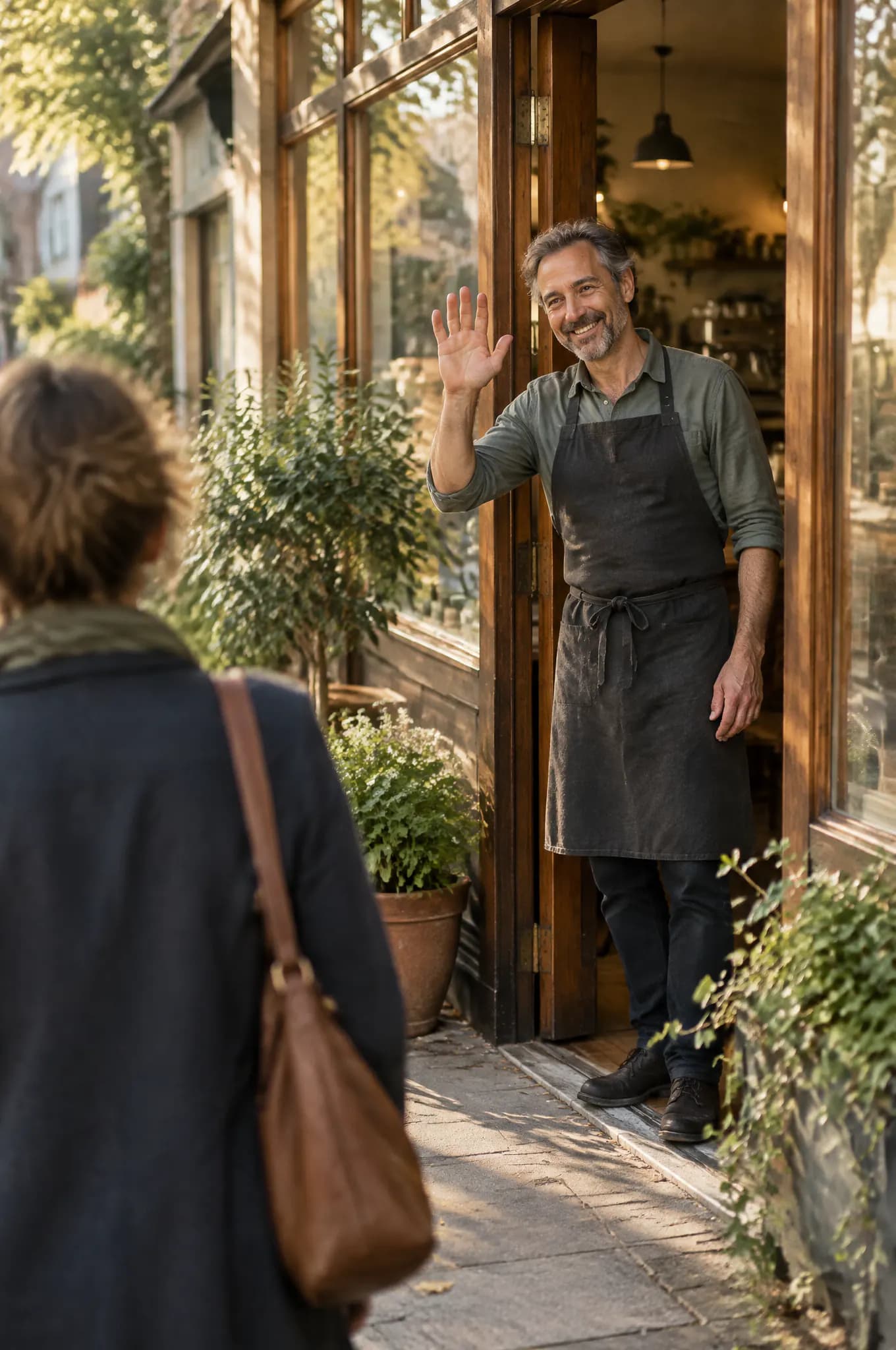
A café owner waves goodbye to a customer from his doorway

30–85%more profit from 5 points fewer customers leaving, in the businesses studied

Keeping customers is where the profit is

A customer who comes back costs nothing to win again. In the businesses one Harvard Business Review article studied, cutting the share of customers who leave by 5 points raised profits by 30% to 85%: 30% at an auto-service chain, 50% at an insurance brokerage, 85% at a bank’s branches. These are the article’s examples, and your figures will differ.

Bentorno’s customer groups show who is a regular and who is slipping away, and its overview lists the regulars who haven’t come back lately, so you know who to welcome back.

Reichheld and Sasser, “Zero Defections”, Harvard Business Review, 1990: examples from the businesses studied (opens in a new tab)

A bartender pours a regular her usual glass of red wine, both laughing

Up to 50%of a restaurant’s orders can come from 7% of its guests

A few regulars can bring in half the orders

In The Regulars Report, Resy and Toast drew on Toast’s own data for the first quarter of 2026: up to half of a restaurant’s orders came from just 7% of its guests. That is the top of the range, counted in orders rather than money, over one quarter. Even so, it shows how much a small group of regulars can carry.

Bentorno picks out those few for you: its customer groups follow each customer’s visits, from New to Regular and Loyal, so your best regulars stand out at a glance.

Resy and Toast, The Regulars Report, 2026: Toast’s own data for the first quarter of 2026 (opens in a new tab)
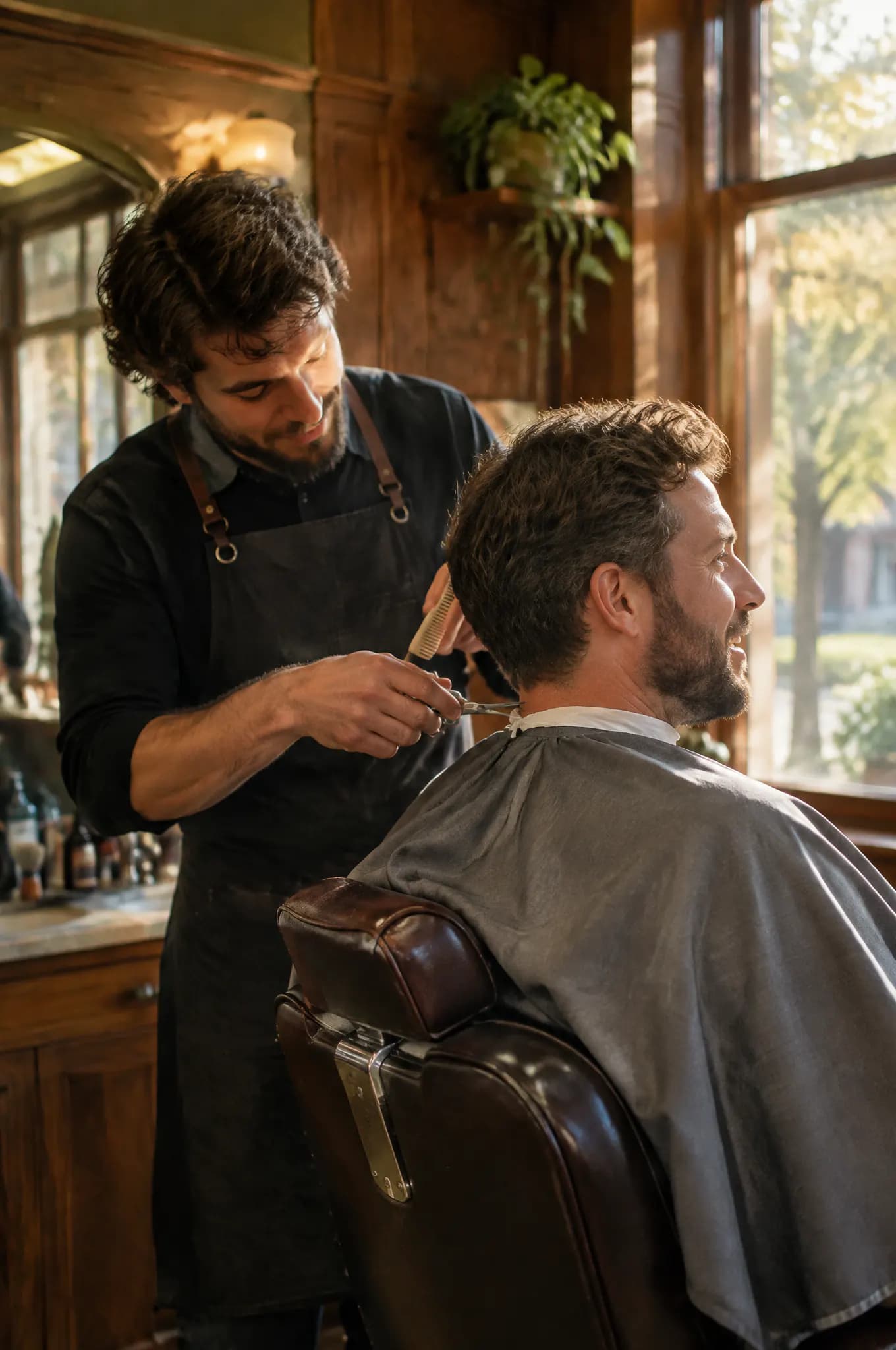
A barber trims a customer’s hair in a classic barber shop

29.5%more customer value over five years, from a free programme at a men’s salon chain

A free programme kept a salon’s customers coming

A men’s hair salon chain launched a simple, free loyalty programme: join with an email address, earn a reward as you spend. Over five years it raised what each customer was worth by 29.5%, against similar customers who didn’t join. Most of that came from fewer customers drifting off to other barbers, not from bigger bills.

Bentorno works on the same idea: customers join with their email, and the card gives them a reason to keep coming back to you.

Gopalakrishnan, Jiang, Nevskaya and Thomadsen, “Can Non-tiered Customer Loyalty Programs Be Profitable?”, Marketing Science, 2021 (opens in a new tab)

A card brings them back sooner

What studies of real stamp cards and a free programme found about how often people come back, and what made the difference.

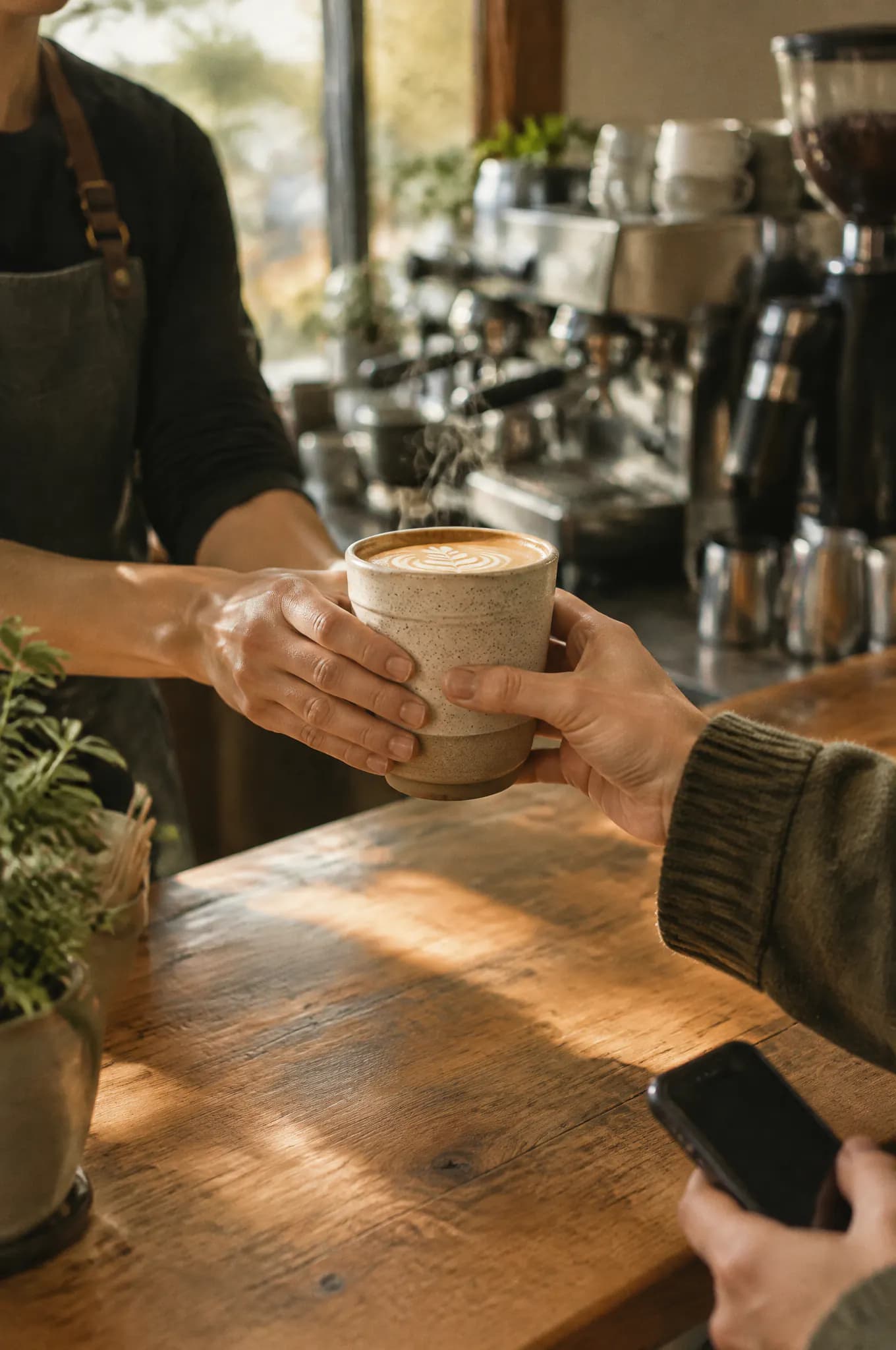
A barista hands a coffee across the counter to a customer

20%less time between coffees as the free one got closer

The nearer the reward, the sooner they come back

On a real “buy ten, get one free” coffee card at a university café, customers came back faster as the free coffee got closer: the time between their coffees shrank by 20% on average over the card. Those who sped up the most were also the likeliest to start a new card after their reward.

Bentorno’s card shows every customer how close their next reward is, each time they open it, and a card with several rewards shows what each one still needs.

Kivetz, Urminsky and Zheng, “The Goal-Gradient Hypothesis Resurrected”, Journal of Marketing Research, 2006 (opens in a new tab)
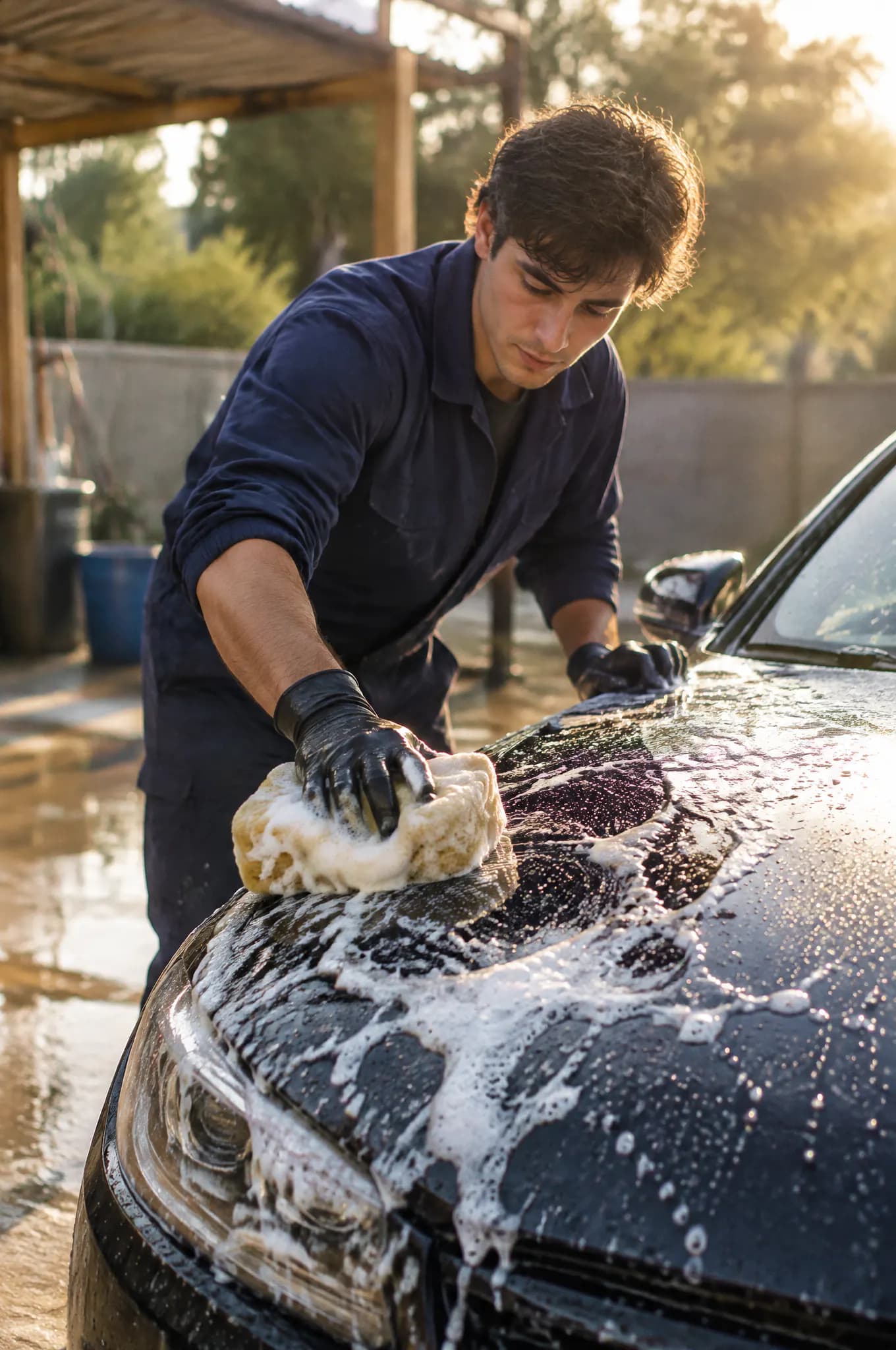
A car wash attendant soaps the bonnet of a dark car

34%of head-start cards were finished, against 19% of plain ones

A head start gets more cards finished

Two car wash cards, the same eight washes to a free one. One needed eight stamps; the other needed ten but came with two already stamped. Nearly twice as many head-start cards were finished: 34% against 19%. Feeling under way keeps people going.

Bentorno’s welcome stamps work the same way: you choose how many a new customer starts with, and each card gets them once.

Nunes and Drèze, “The Endowed Progress Effect”, Journal of Consumer Research, 2006 (opens in a new tab)
A shopkeeper chats with a customer buying apples and bread

2×more than twice as often: the lightest buyers, two years into a free programme

Light buyers bought twice as often two years on

Your best regulars already come often; the change can be in everyone else. In a convenience store chain’s free loyalty programme, the members who bought least in their first month bought more than twice as often by the end of its second year, while the most frequent carried on as before. The study compares those two points in time only, with no group outside the programme to set against them.

Bentorno’s customer groups show you who is moving up, as a new customer becomes a regular.

Liu, “The Long-Term Impact of Loyalty Programs on Consumer Purchase Behavior and Loyalty”, Journal of Marketing, 2007 (opens in a new tab)

What big chains report about their members

The largest chains and loyalty providers publish figures about their own members. They show what regulars are worth to a business, not what a programme adds by itself.

Regulars are the ones who join, so members compared with other customers, or with themselves before joining, look better than the programme alone would make them.

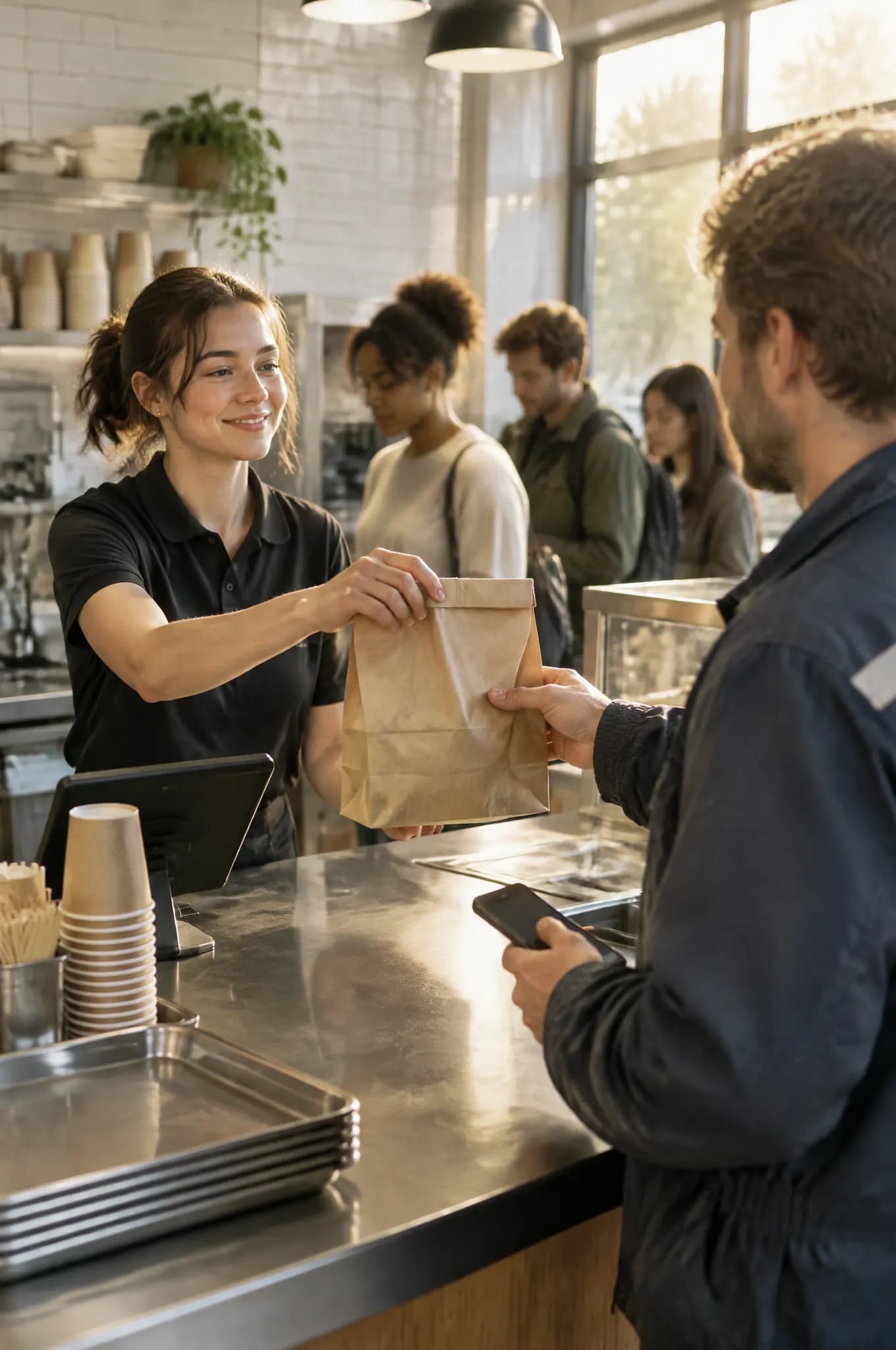
A cashier hands a takeaway bag to a customer holding his phone at a busy lunch counter

26visits a year by McDonald’s average US loyalty member, up from 10.5 before joining

Loyalty members come back far more often

On its call about the last quarter of 2025, McDonald’s said its average loyalty member in the US visited 26 times in the 12 months after joining, against 10.5 times in the 12 months before. These are the company’s own figures, about its own members.

Bentorno makes joining just as simple for your customers: they join from your counter sign with their email, with nothing to install, and show one code at every visit after.

McDonald’s, fourth-quarter 2025 earnings call, 2026 (opens in a new tab)
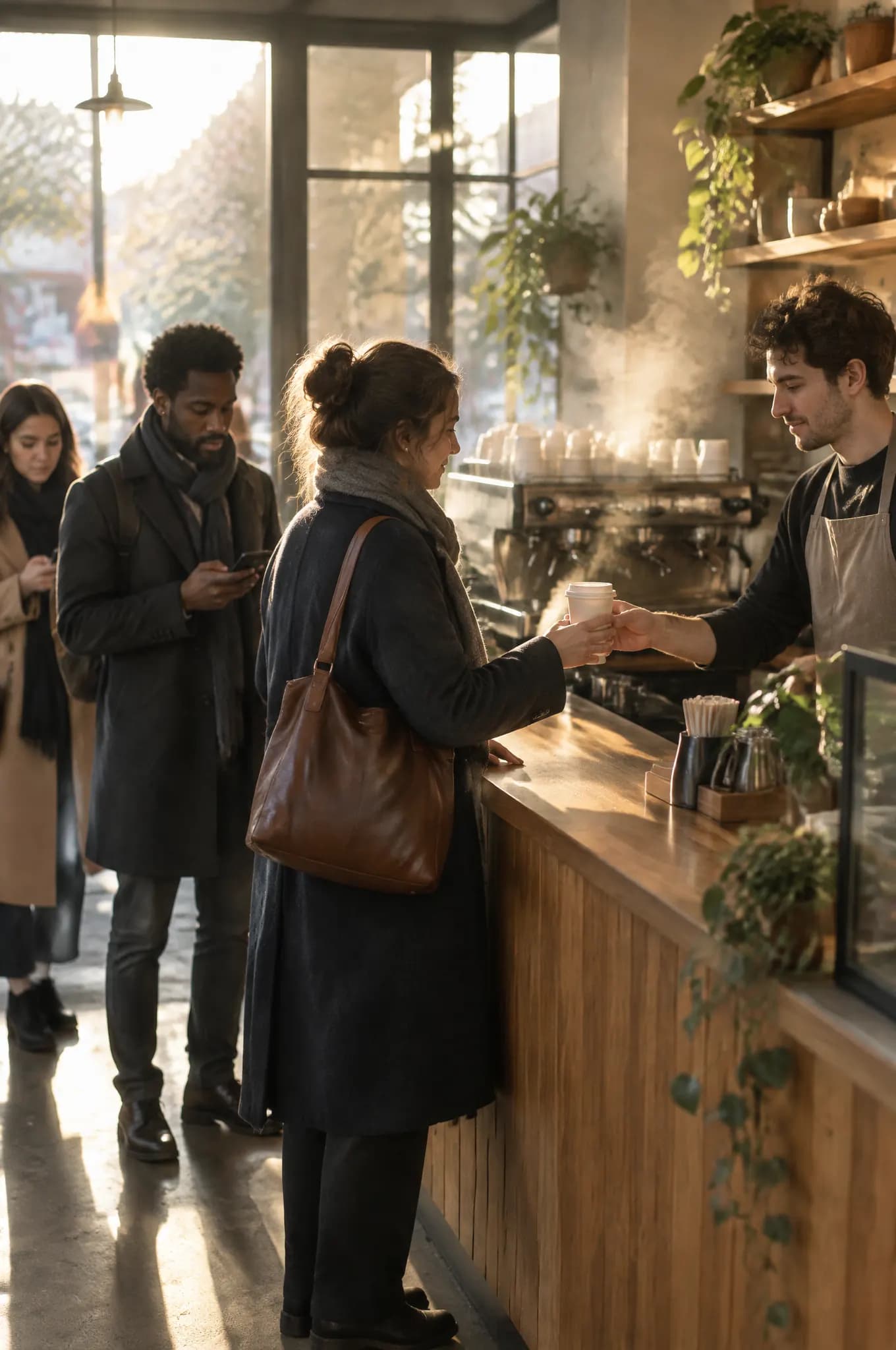
Commuters queue at a coffee counter in the morning as a barista hands over a takeaway cup

59%of the money paid at Starbucks’ US company-operated stores came from Rewards members

Members bring in most of the money

In its loyalty dashboard for the third quarter of its 2026 financial year, Starbucks said 59% of the money paid at its company-operated stores in the US came from Starbucks Rewards members. It is the company’s own figure: it shows where the money comes from, not what the programme added.

Bentorno’s analytics show your visits, rewards and who comes back, by venue and period, so you can see your own regulars at work.

Starbucks, loyalty dashboard for the third quarter of the 2026 financial year, 2026 (opens in a new tab)
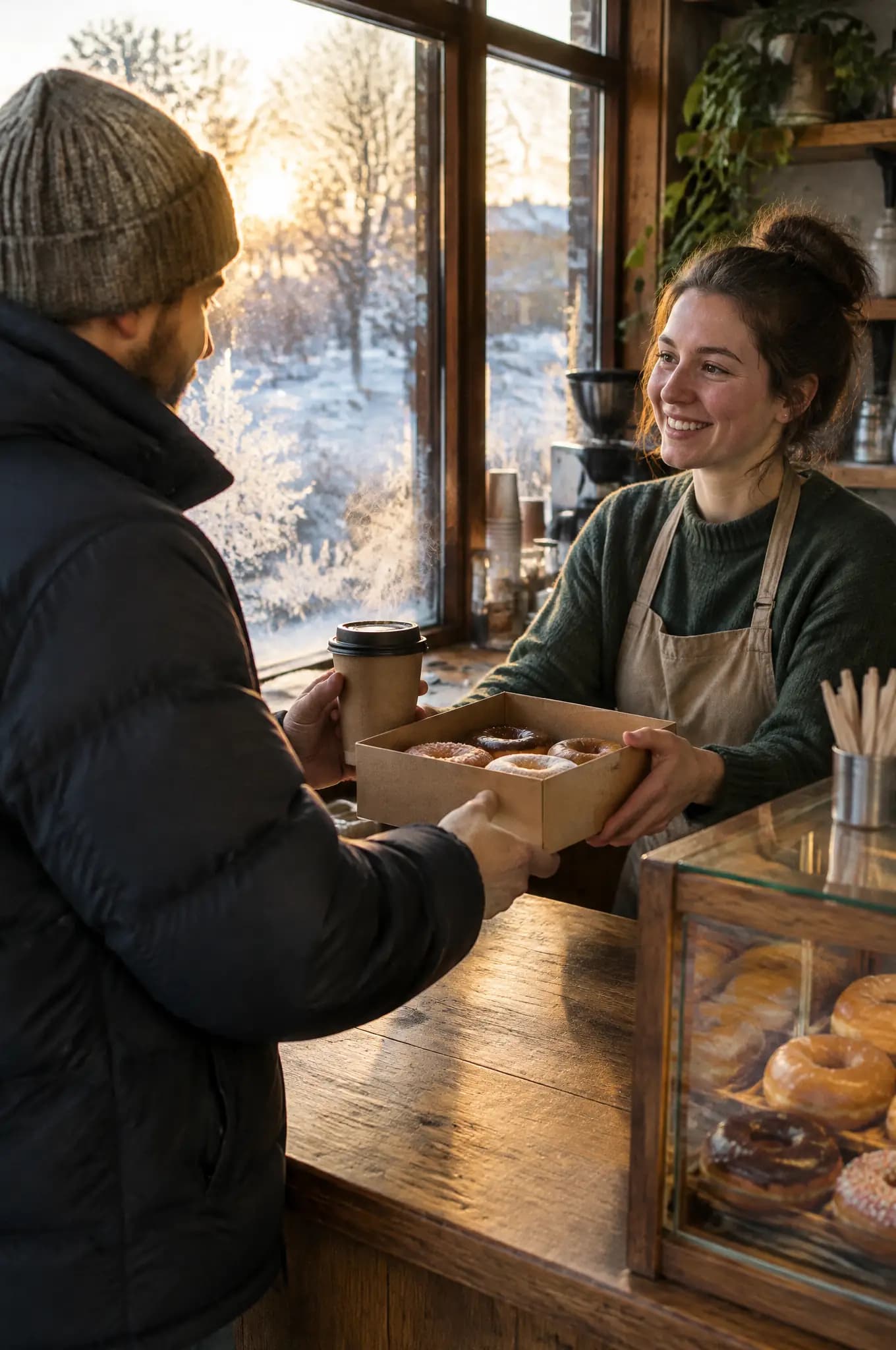
On a frosty morning, a server hands a customer a coffee and a box of doughnuts

Over 50%more spending by Tim Hortons’ active loyalty members after joining

Members spend more once they join

On its call about the last quarter of 2025, Restaurant Brands International, which owns Tim Hortons, said the chain’s active loyalty members spent more than 50% more after joining than before. It is the company’s own figure, about its own members.

Bentorno gives your members a reason to come between rewards too: publish an offer, and email it once to the customers who said yes to offers.

Restaurant Brands International, fourth-quarter 2025 earnings call, 2026 (opens in a new tab)
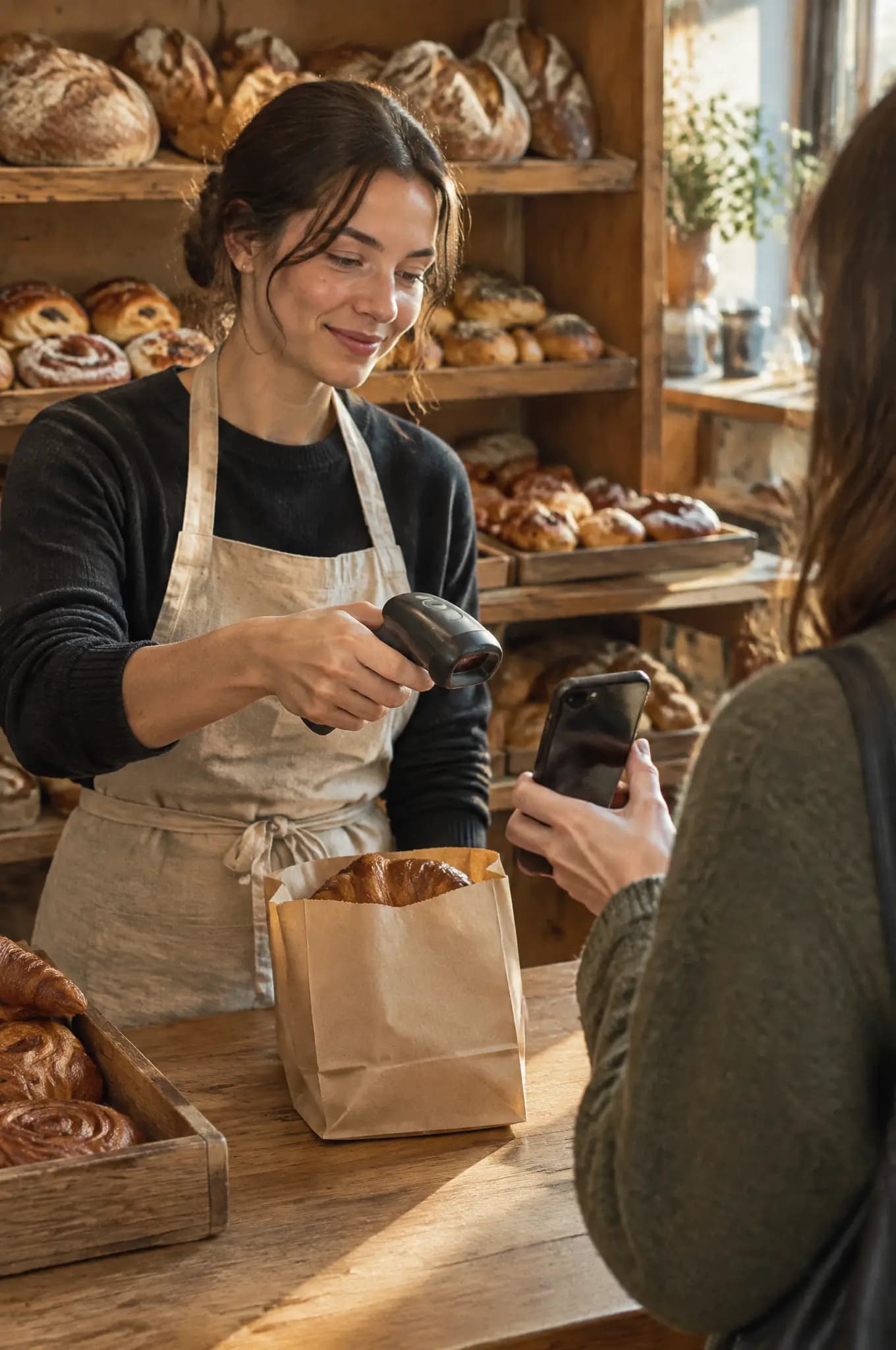
A bakery assistant scans a customer’s phone at the counter, a pastry bag beside her

31%of transactions in Greggs’ shops had its app scanned

Customers scan their phone at the counter

In its results for the first half of 2026, Greggs said its app was scanned in 31% of the transactions in its own shops, and that its app users shop more often. It is a share of transactions, not of sales, and the comparison is the company’s own.

Bentorno works the same way at your counter: the customer shows one code on their phone, your staff scan it with any phone or tablet, and the stamps land on their card.

Greggs, half-year results, 2026 (opens in a new tab)
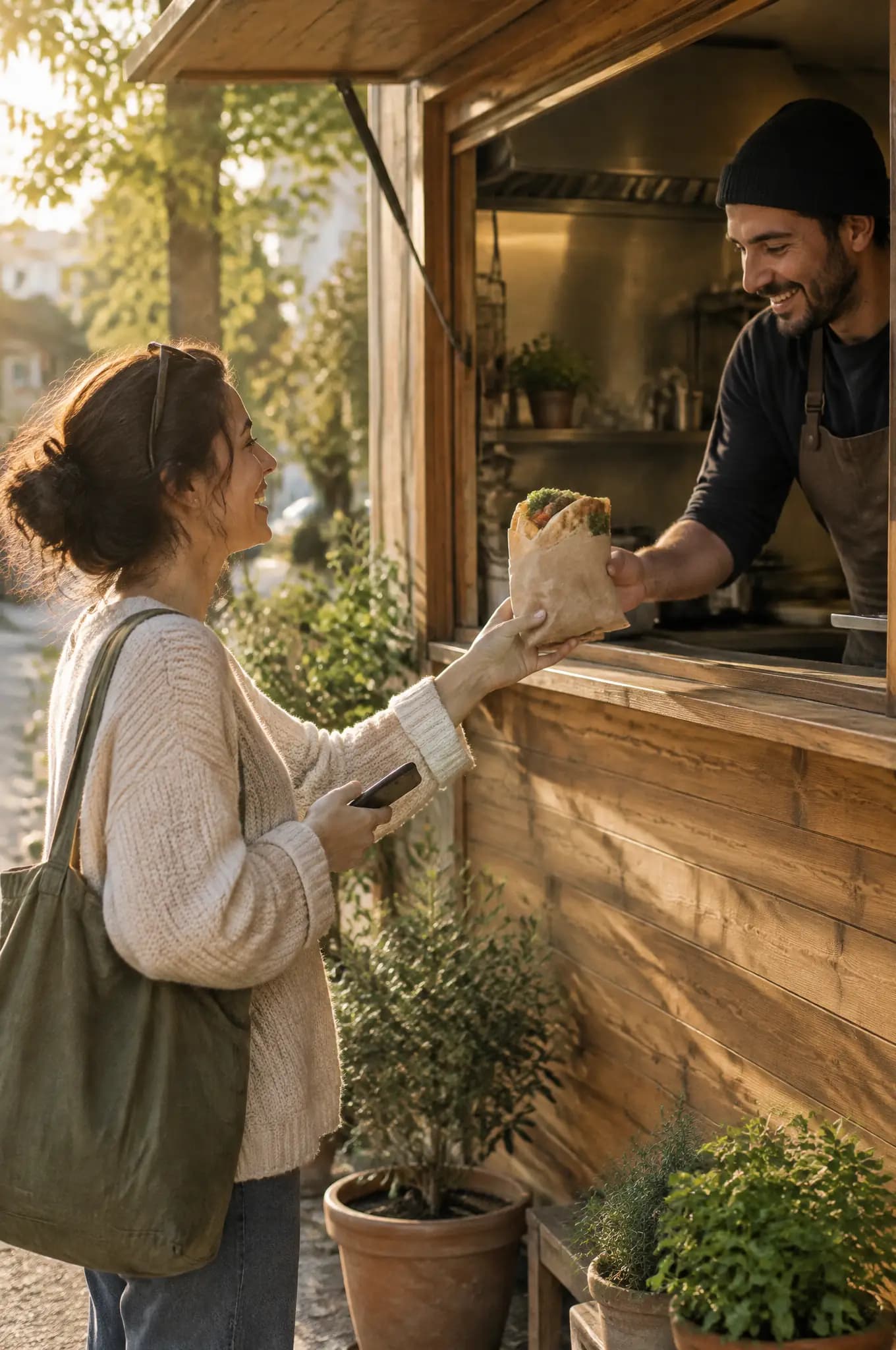
A cook hands a wrapped sandwich from a kiosk window to a customer holding her phone

57%more visits, and 46% more spending, by Square Loyalty customers at food and drink businesses

Card holders visit more and spend more

Square, which sells a loyalty programme of its own, compares the customers enrolled in it with the others. In its own 2022 data for food and drink businesses, enrolled customers made 57% more visits and spent 46% more. It is a seller’s figure about its own product, and regulars are the ones who enrol, so it shows what members are worth more than what the programme added.

Bentorno brings the same kind of card to any local business, with no till to change: your staff scan with any phone or tablet.

Square, its Square Loyalty page (the food and drink tab), with the company’s 2022 data (opens in a new tab)

Why paper falls short

A loyalty card only pays when it reaches the counter, and a paper one often doesn’t.

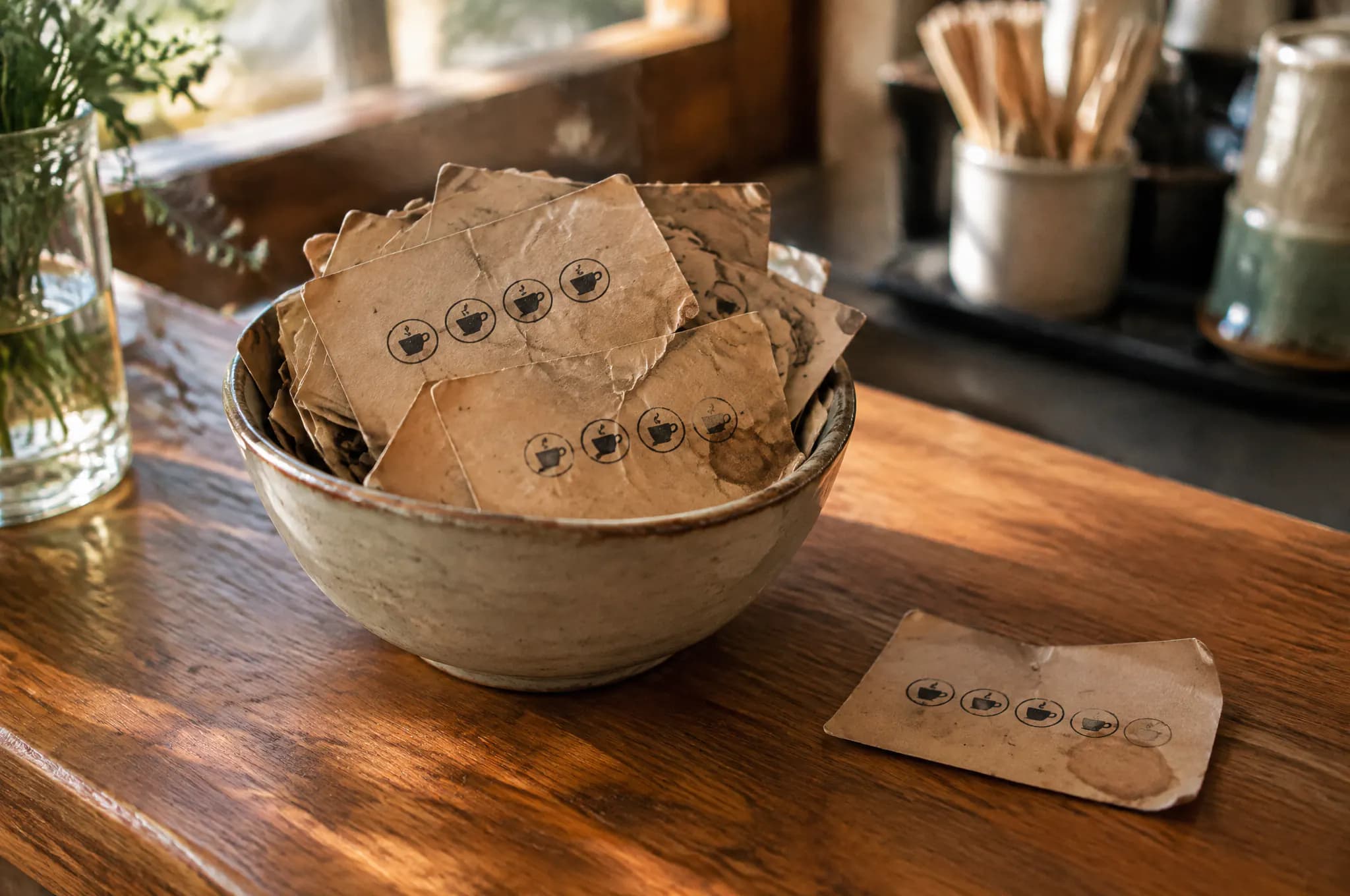
A bowl of worn and creased paper stamp cards on a café counter

3 in 10UK adults regularly forget to use their loyalty cards

A card on the phone isn’t left at home

In a 2026 survey of 2,000 UK adults, three in ten said they regularly forget to use their loyalty cards, and nearly half of 18 to 34-year-olds did. Yet seven in ten said loyalty schemes bring them back to the same shops. The survey was made for SumUp, which sells a loyalty product.

Bentorno keeps the card on their phone, opened with one code at your counter, so there’s no paper to forget, wear out or lose.

Paper, an app or a card on the phone: compare themA survey for SumUp by 3Gem of 2,000 UK adults, 2026 (opens in a new tab)

What your regulars could be worth

The figures above are other businesses’. Here the figures are yours, and the result only multiplies what you type.

Your numbers

Put in your numbers to see what Bentorno could bring in.

€
That could be €38,400 more a year with Bentorno.

Start your stamp card

Sign up, and your team can stamp the first card today.

A barista hands a regular his coffee and a croissant across the counter